C-Story
Client
Karangahape Road Business Association, Icon Property Group
Year
2018 - 2022
Summary
A platform for perspective; bringing together artists, thinkers, and communities to question how Tāmaki Makaurau is seen, shaped, and lived.
The project began with a question of perspective - how creative storytelling might expand our collective horizons as the city became increasingly sanitised and constrained.
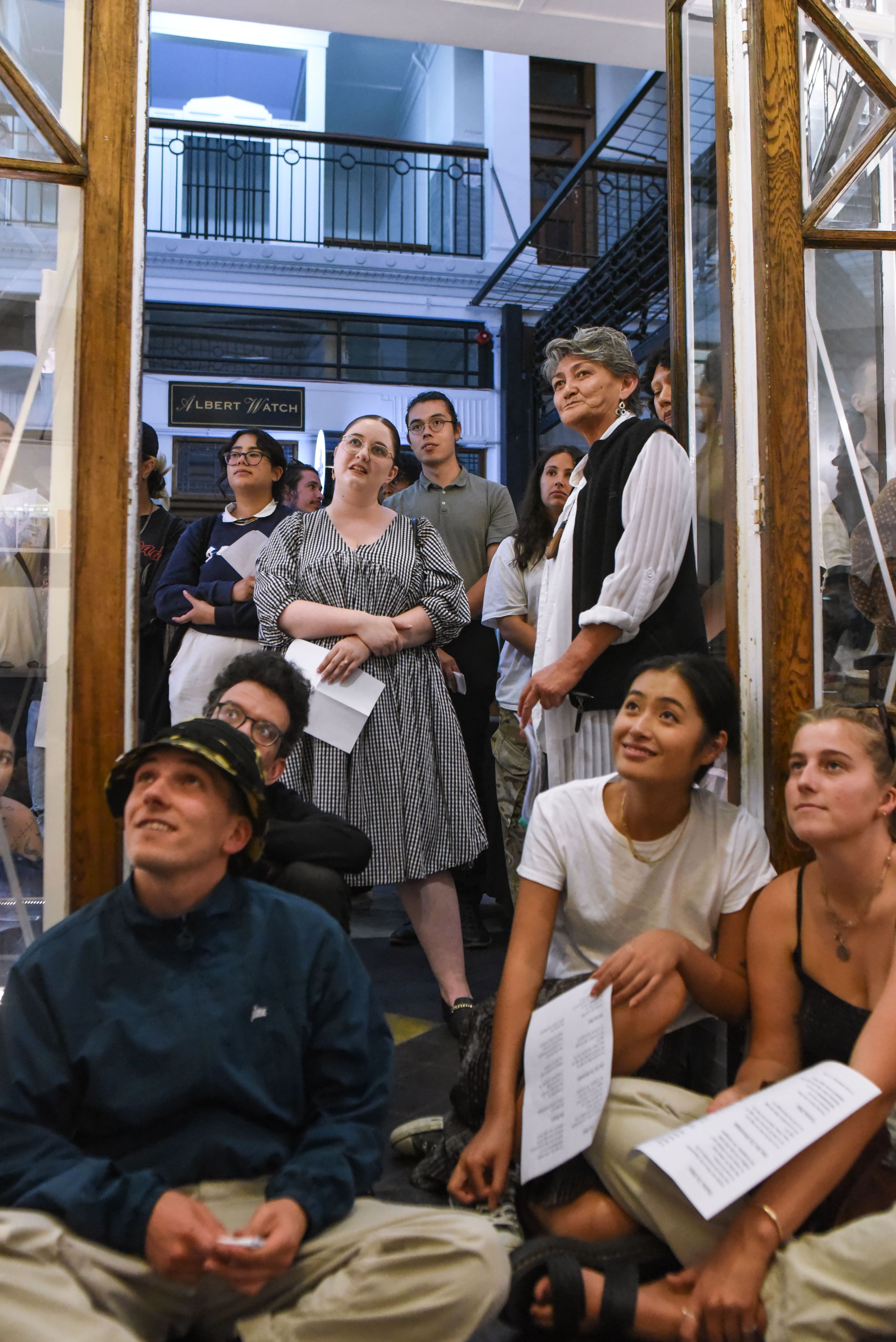
Developed with Cindy Leong, C Story brought together voices including Chloe Swarbrick, Paloma Schneideman, Chippy Draws, and Arkita Singh to explore how narrative shapes the way we see, inhabit, and challenge Tamaki Makaurau. The platform merged conversation, creative practice, and public engagement into a shared framework - holding distinct voices within a wider discourse.
Grounded in the erosion of artistic infrastructure following the super city transition and the disestablishment of the Auckland Arts Trust, the work responded by prioritising multiplicity, nuance, and critical reflection.
Creativity was positioned as both inquiry and a means of reimagining the city.
The project began with a question of perspective - how creative storytelling might expand our collective horizons as the city became increasingly sanitised and constrained.
Developed with Cindy Leong, C Story brought together voices including Chloe Swarbrick, Paloma Schneideman, Chippy Draws, and Arkita Singh to explore how narrative shapes the way we see, inhabit, and challenge Tamaki Makaurau. The platform merged conversation, creative practice, and public engagement into a shared framework - holding distinct voices within a wider discourse.
Grounded in the erosion of artistic infrastructure following the super city transition and the disestablishment of the Auckland Arts Trust, the work responded by prioritising multiplicity, nuance, and critical reflection.
Creativity was positioned as both inquiry and a means of reimagining the city.
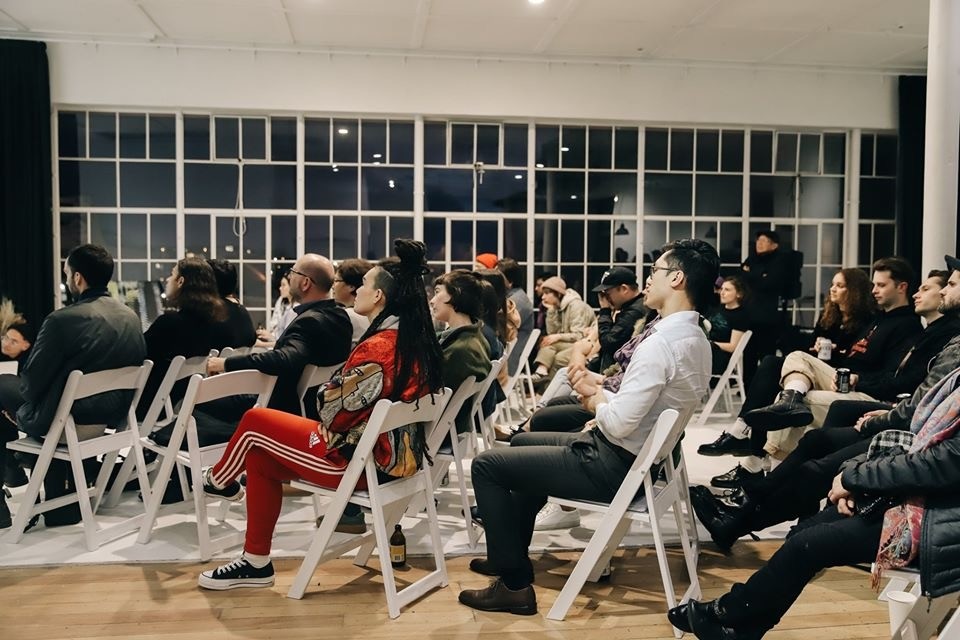
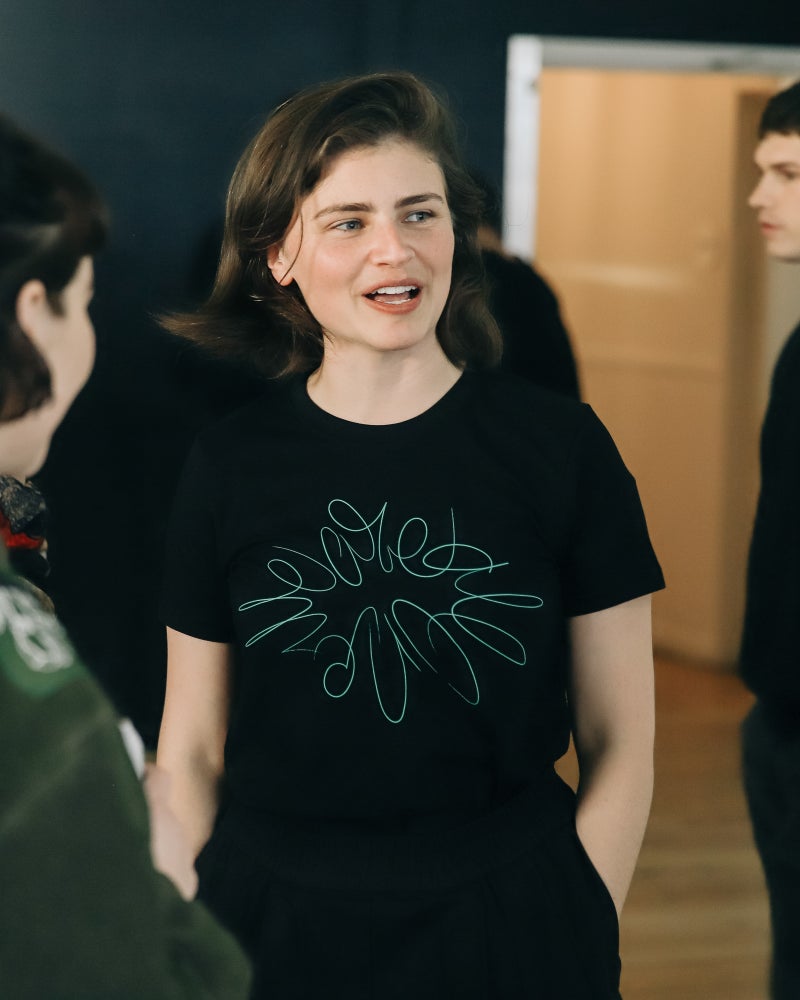
The resulting programme held space for stories that resist simplification — positioning creativity as both a method of inquiry and a tool for reimagining the possibilities of Tamaki Makaurau.
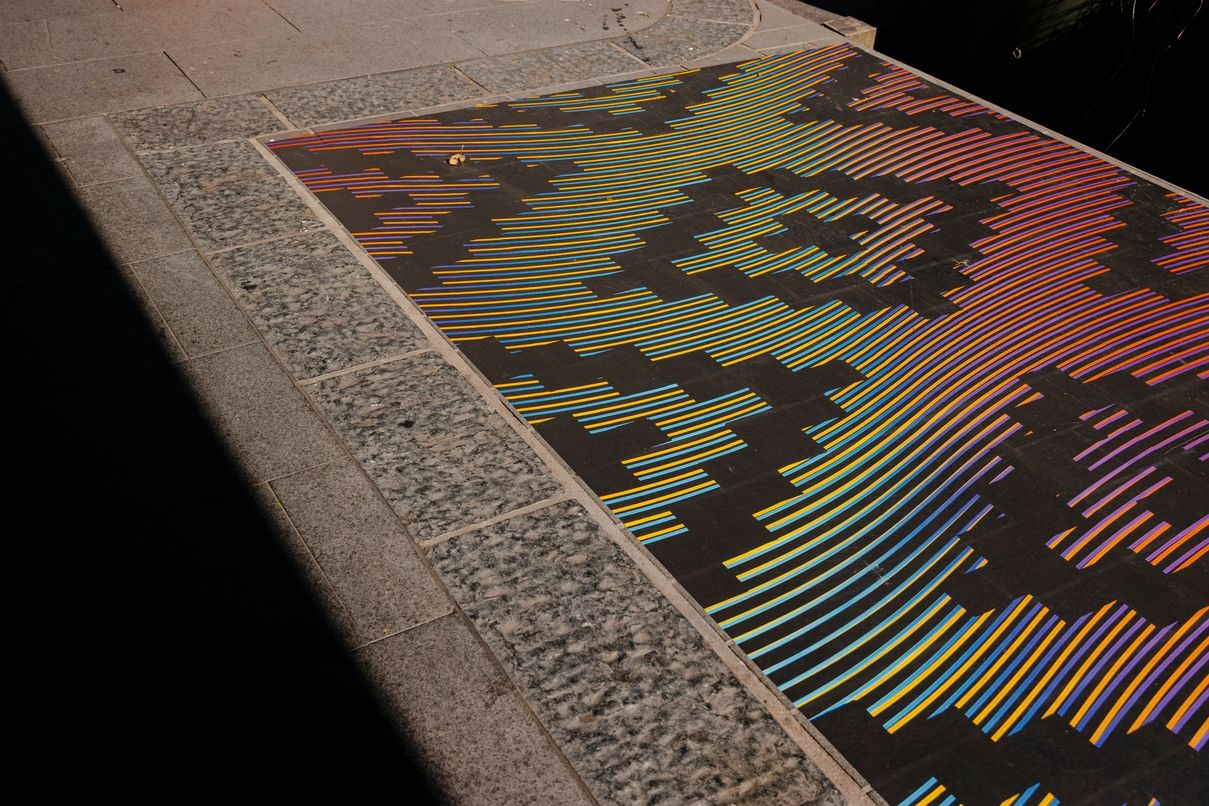
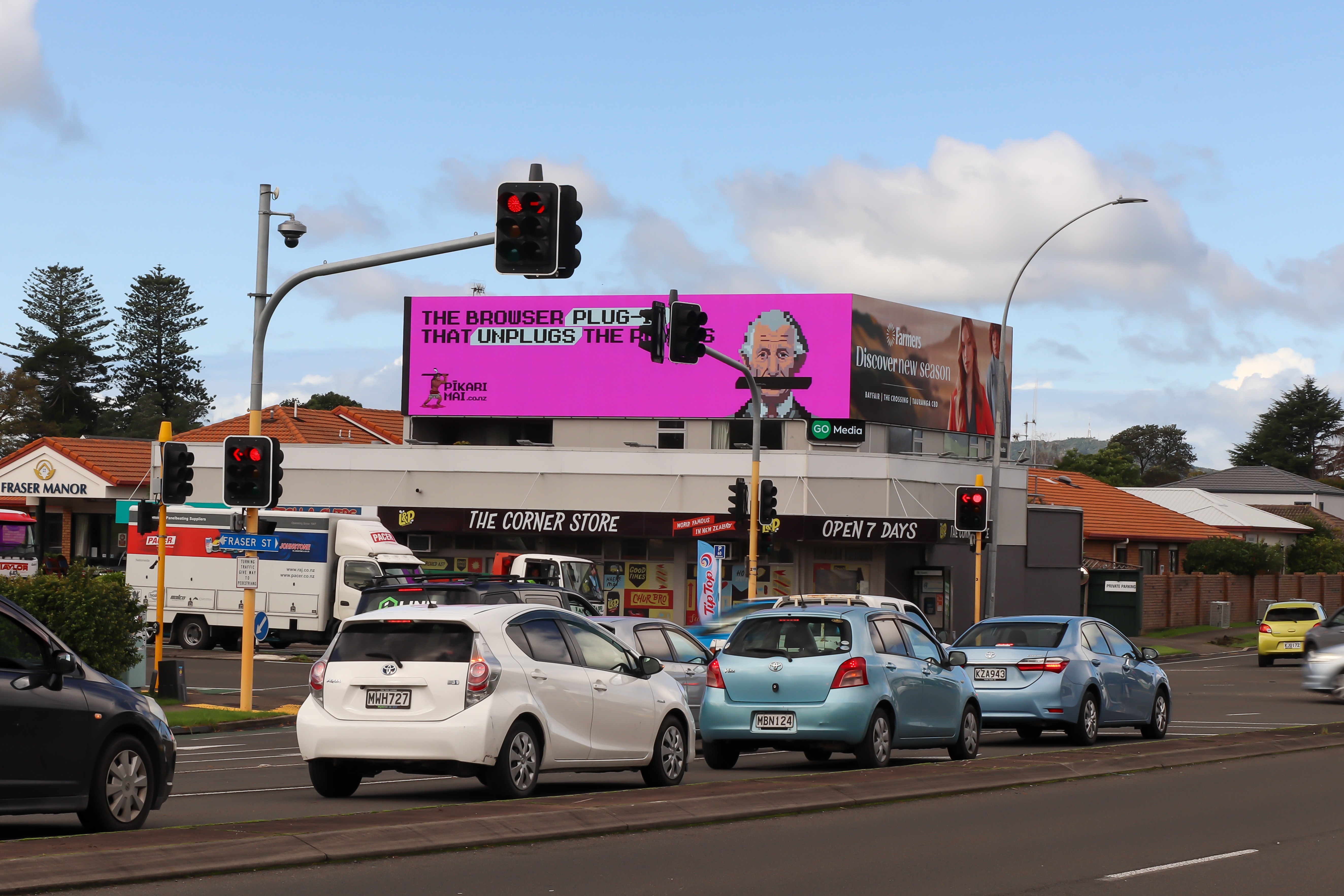
Working closely as collaborators, we extended the platform into a visual and spatial language that was adaptable yet grounded in the realities of Karangahape Road. Graphics, typography, and material choices were developed to reflect both the immediacy of the conversations and the layered histories of the area.
The resulting programme held space for stories that resist simplification — positioning creativity as both a method of inquiry and a tool for reimagining the possibilities of Tamaki Makaurau.
Working closely as collaborators, we extended the platform into a visual and spatial language that was adaptable yet grounded in the realities of Karangahape Road. Graphics, typography, and material choices were developed to reflect both the immediacy of the conversations and the layered histories of the area.


Next Projects