Auckland City of Colour
Client
Commercial Bay, HOTC
Year
2023
Summary
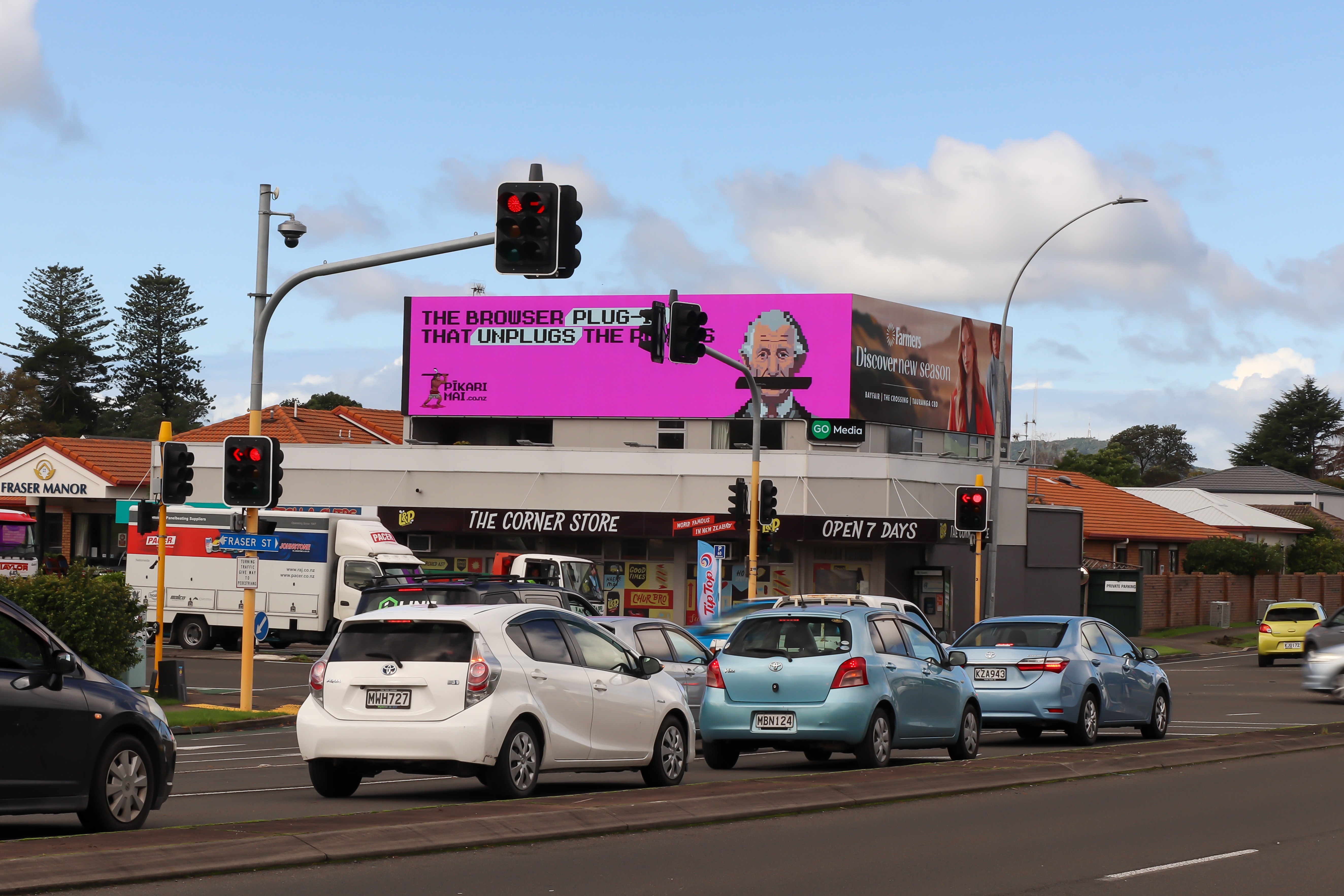
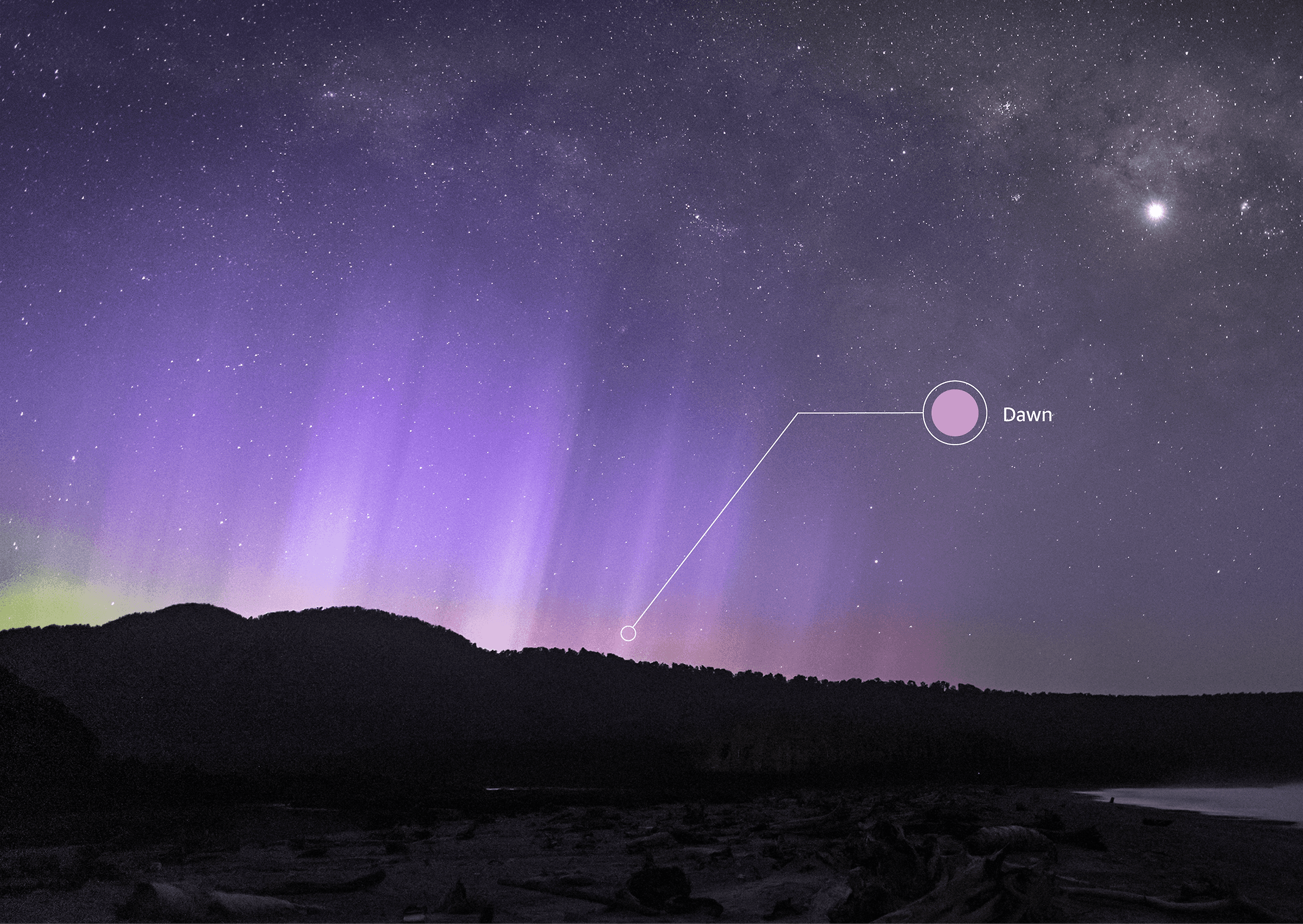
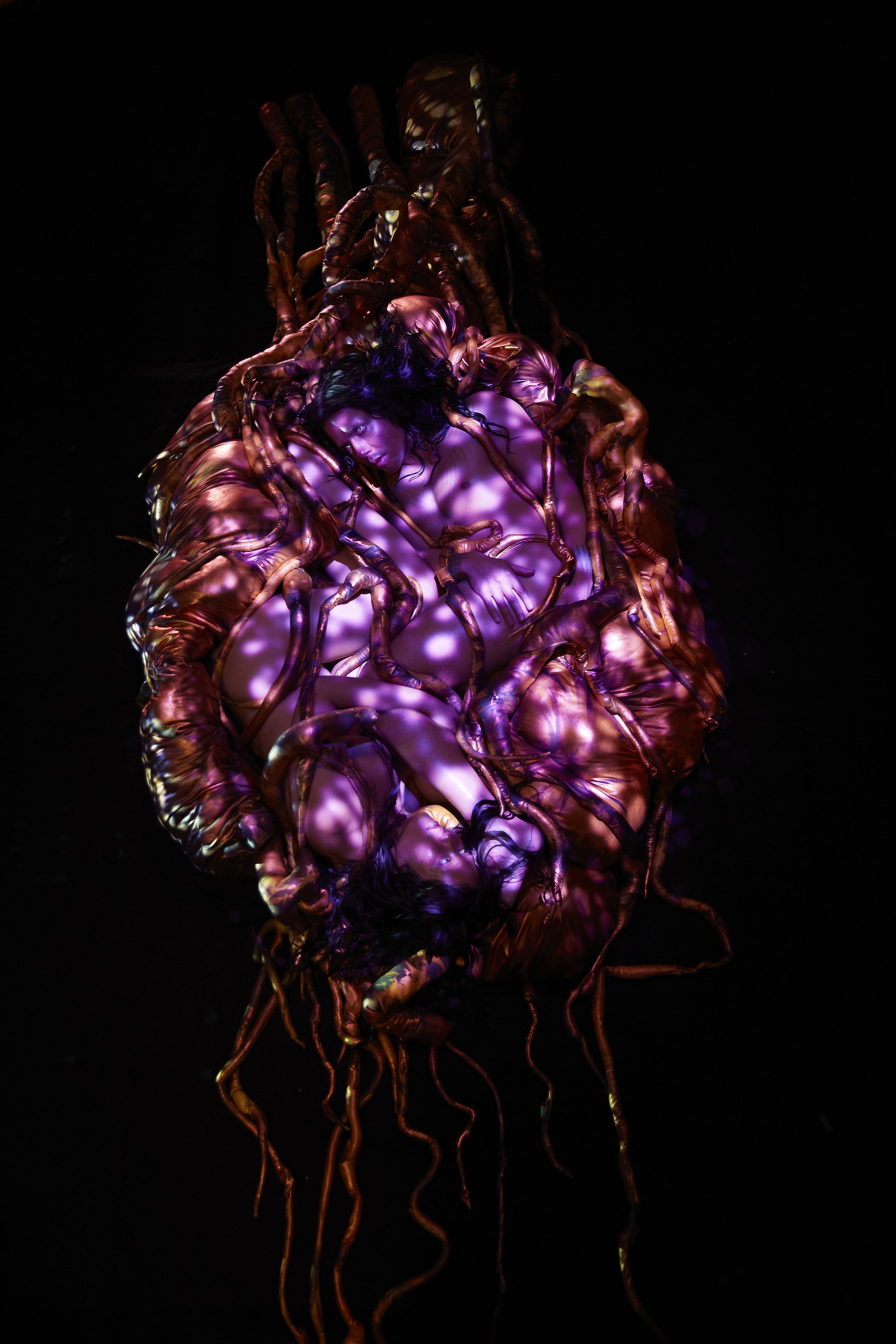
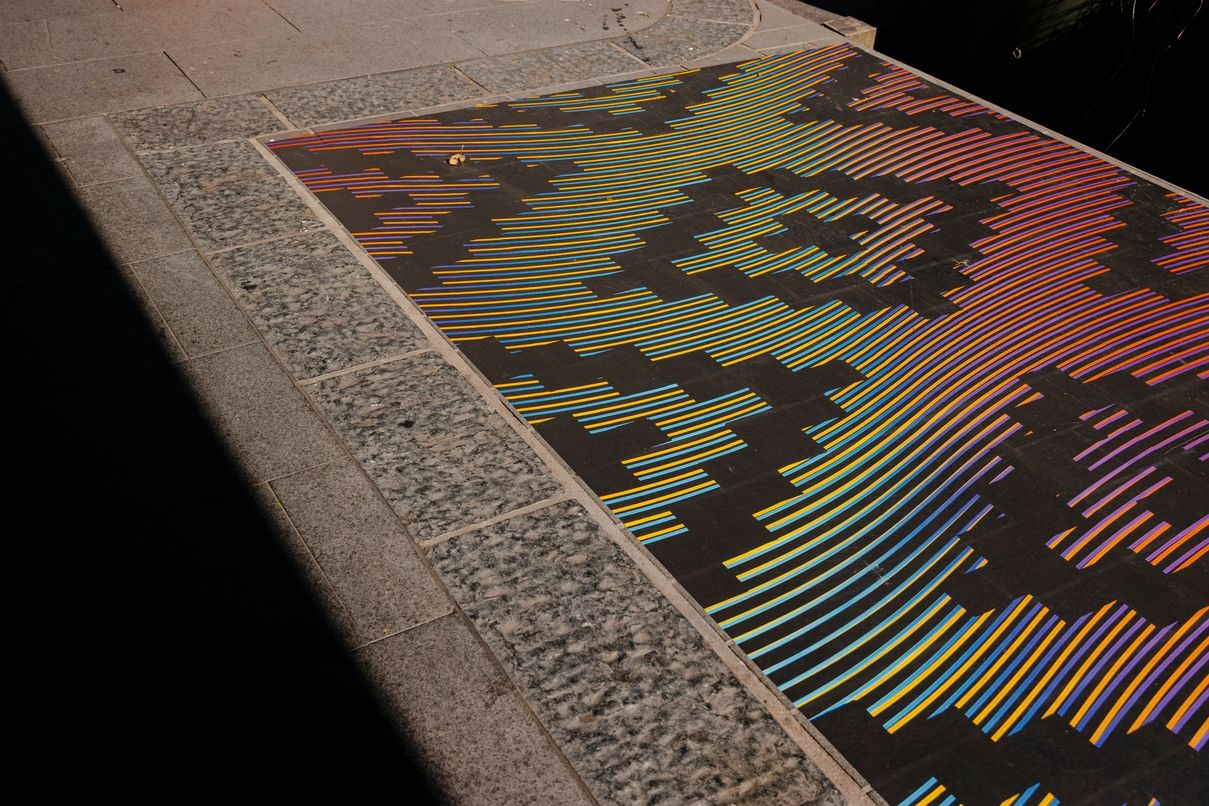
The city got a glow up. A Matariki-led takeover of light, colour, and toi Māori — spilling across laneways, waterfront edges, and shopfronts. Built with artists, carried by the moana, and made to interrupt and celebrate the everyday.
The work began with a question of how public space in the city centre could better hold identity, movement, and connection — particularly in relation to the moana and the rhythms of Matariki.
Working alongside Angus Muir, Commercial Bay, Heart of the City, and the Auckland Central City Targeted Rate, we developed a placemaking approach that brought together public art, urban activation, and cultural narrative into a cohesive framework.
At its centre was a commitment to Māori artists.
The work began with a question of how public space in the city centre could better hold identity, movement, and connection — particularly in relation to the moana and the rhythms of Matariki.
Working alongside Angus Muir, Commercial Bay, Heart of the City, and the Auckland Central City Targeted Rate, we developed a placemaking approach that brought together public art, urban activation, and cultural narrative into a cohesive framework.
At its centre was a commitment to Māori artists.
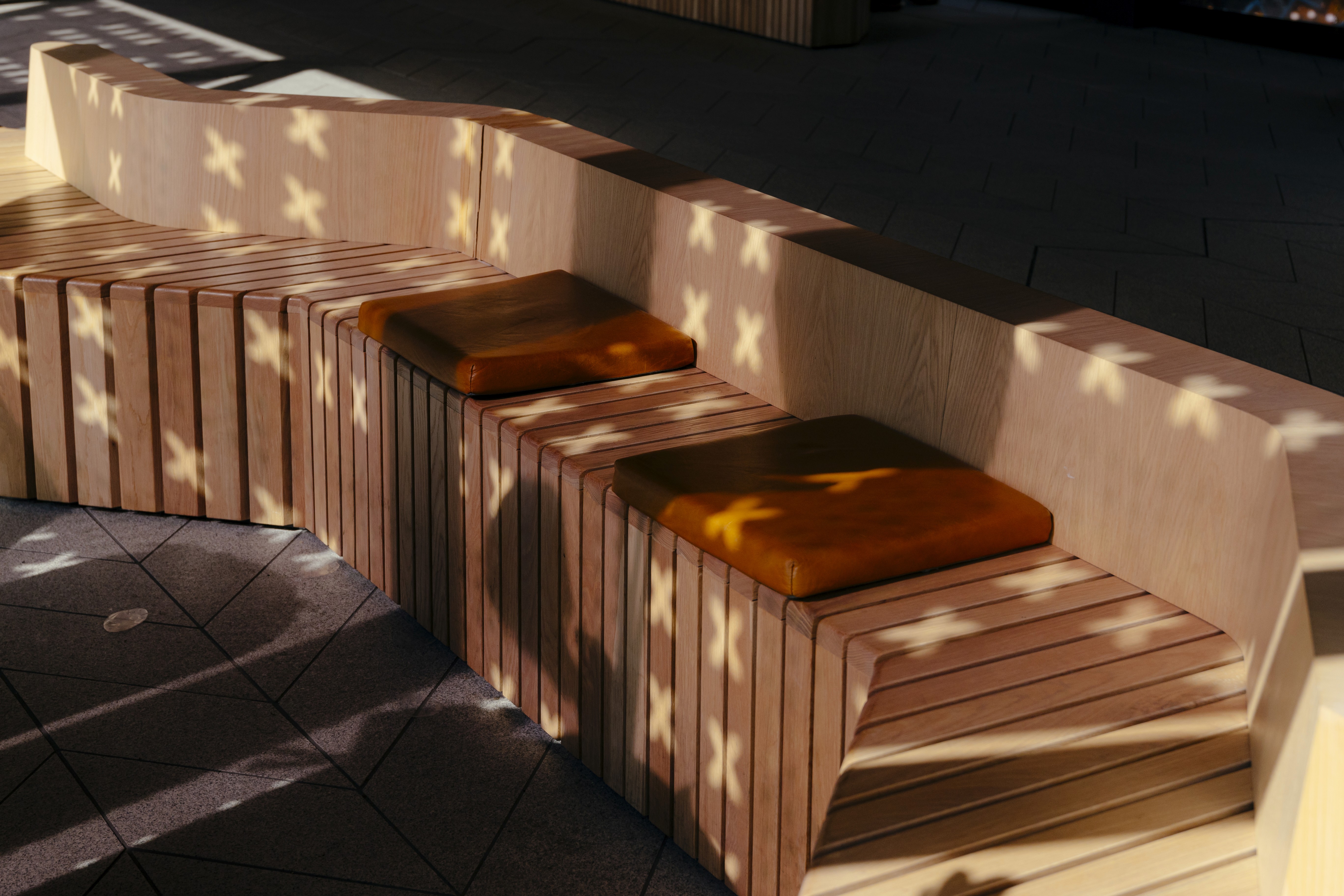
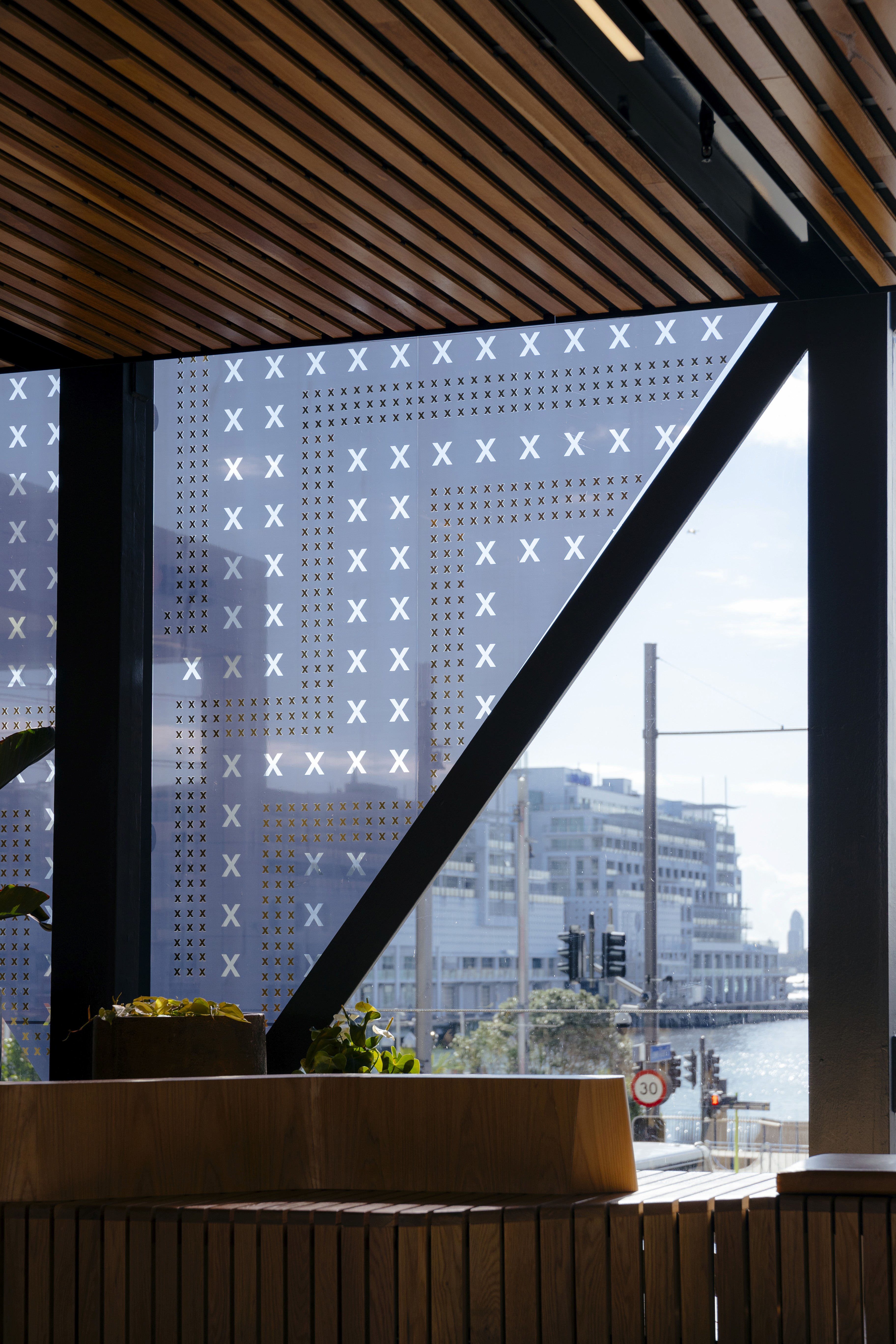
Building on the foundations of Te Tīmatanga 2022: Huarahi Toi, the programme commissioned emerging Māori practitioners and created the conditions for their work to be expressed at scale — embedded within the architecture, movement, and seasonal life of the city.
The approach balanced consistency with responsiveness. Artworks moved across surfaces, programmes, and moments — from laneways to waterfront edges — while remaining grounded in kaupapa Māori. Rather than treating public art as a standalone outcome, the work operated as a system: one that could adapt to context without losing its integrity.
Building on the foundations of Te Tīmatanga 2022: Huarahi Toi, the programme commissioned emerging Māori practitioners and created the conditions for their work to be expressed at scale — embedded within the architecture, movement, and seasonal life of the city.
The approach balanced consistency with responsiveness. Artworks moved across surfaces, programmes, and moments — from laneways to waterfront edges — while remaining grounded in kaupapa Māori. Rather than treating public art as a standalone outcome, the work operated as a system: one that could adapt to context without losing its integrity.
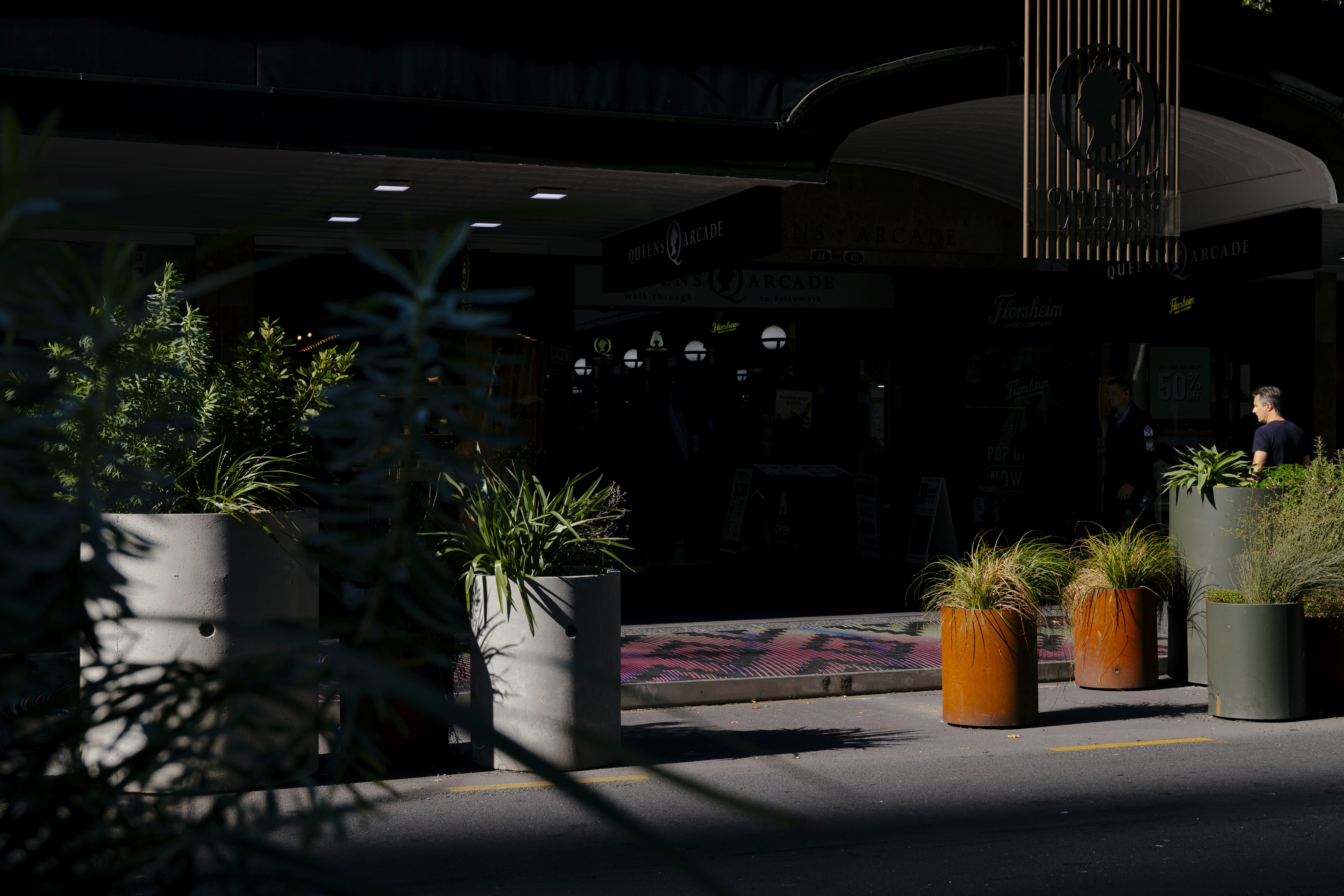
Working closely with partners and artists, we developed a spatial language that responded to the realities of the city — scale, light, weather, and the flow of people. Materials, colour, and form were considered as part of a wider structure, ensuring each intervention could hold its own while contributing to a unified presence.
The result is a framework for public art that is both cohesive and flexible.
It embeds cultural resonance into the everyday experience of Tāmaki Makaurau — ensuring the city reflects the people, stories, and whakapapa of this place, while creating space for contemporary expression to emerge and evolve.
Working closely with partners and artists, we developed a spatial language that responded to the realities of the city — scale, light, weather, and the flow of people. Materials, colour, and form were considered as part of a wider structure, ensuring each intervention could hold its own while contributing to a unified presence.
The result is a framework for public art that is both cohesive and flexible.
It embeds cultural resonance into the everyday experience of Tāmaki Makaurau — ensuring the city reflects the people, stories, and whakapapa of this place, while creating space for contemporary expression to emerge and evolve.
Next Projects