Whānau Mārama
Client
Commercial Bay
Year
2022
Summary
A Matariki-led activation honouring ahi kā and the many waka that first came ashore — connecting their descendants working in the city today. Through collective practice and graffiti as contemporary pou, the work centres Māori presence, labour, and whakapapa within the everyday life of the precinct.
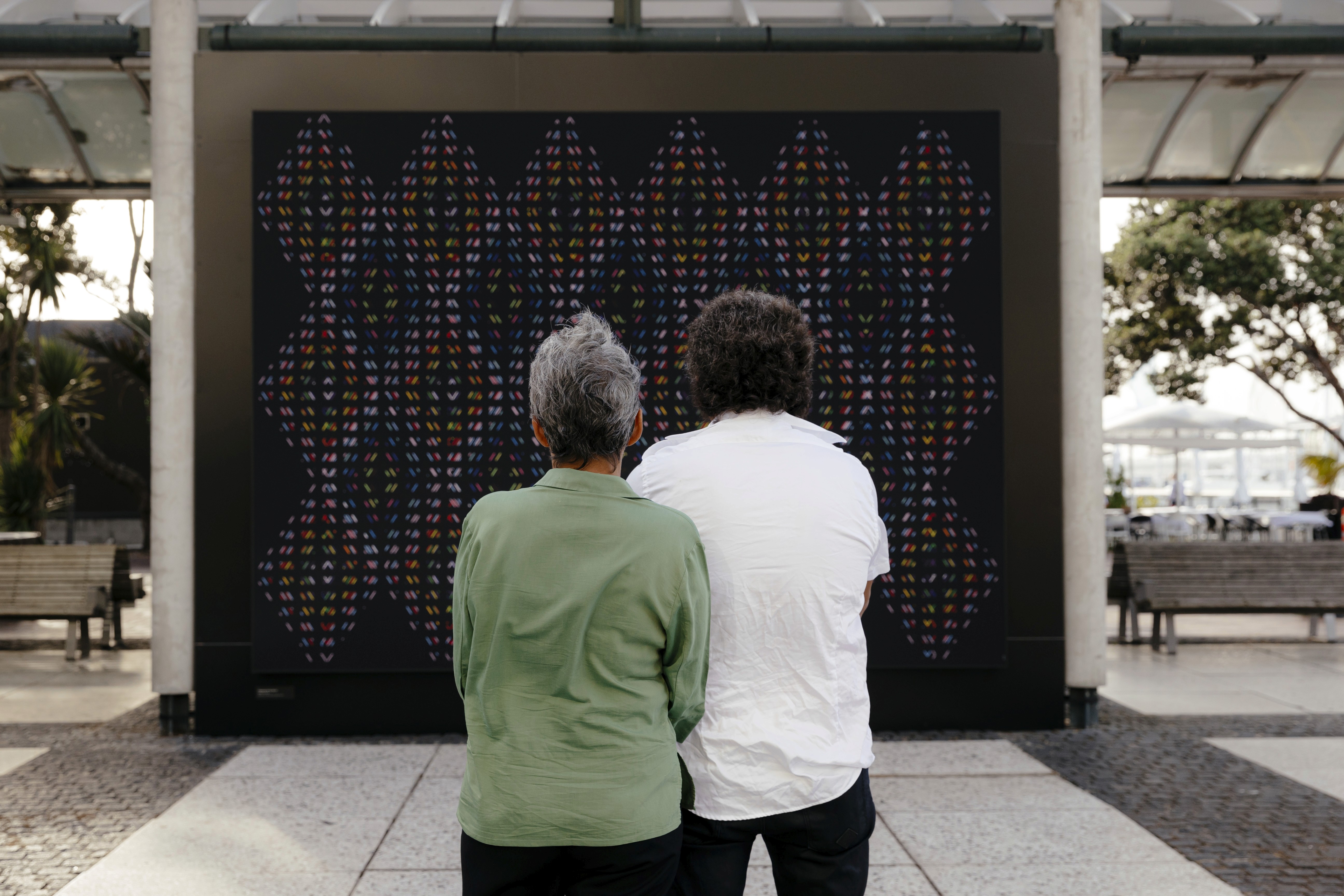
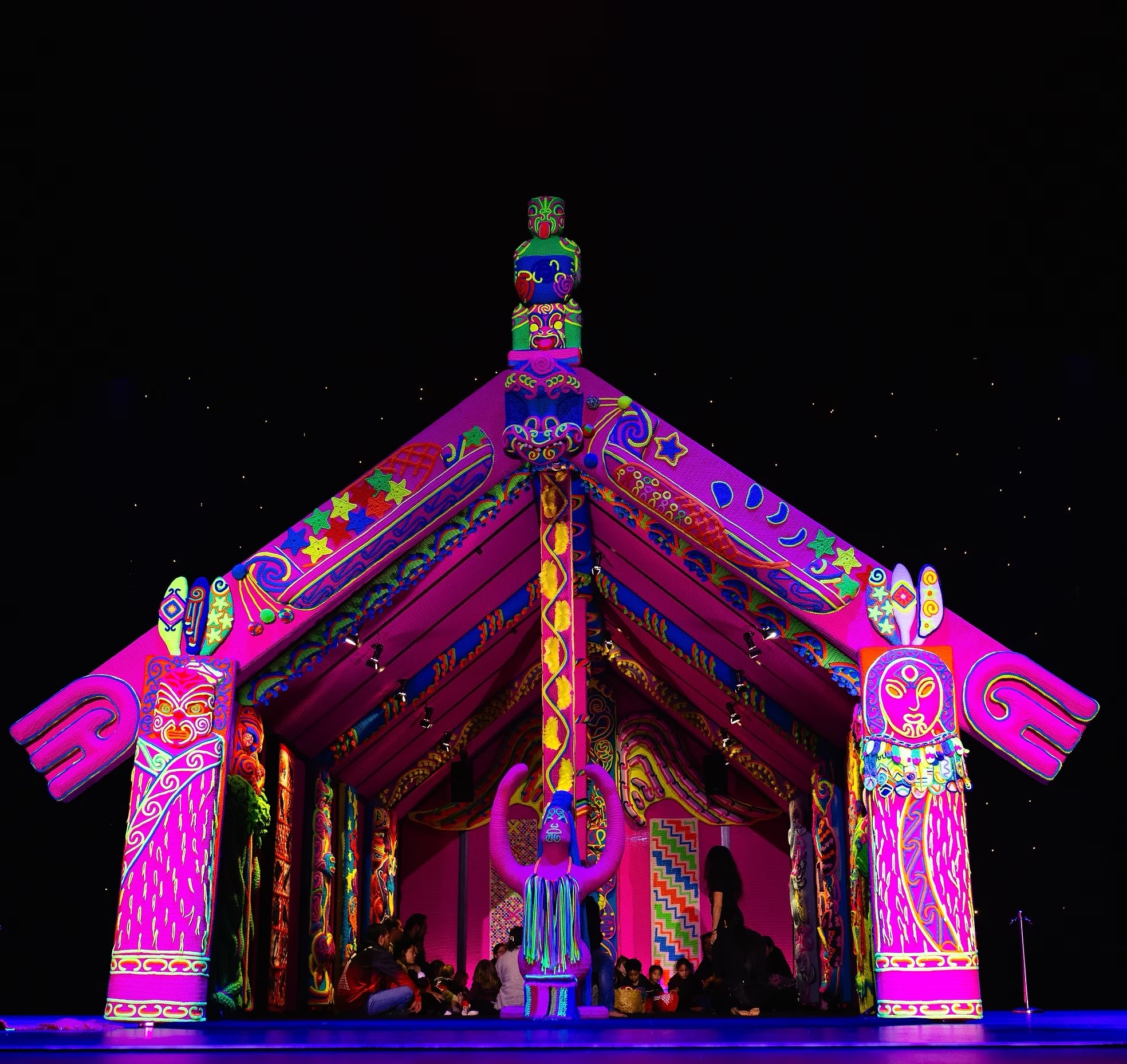
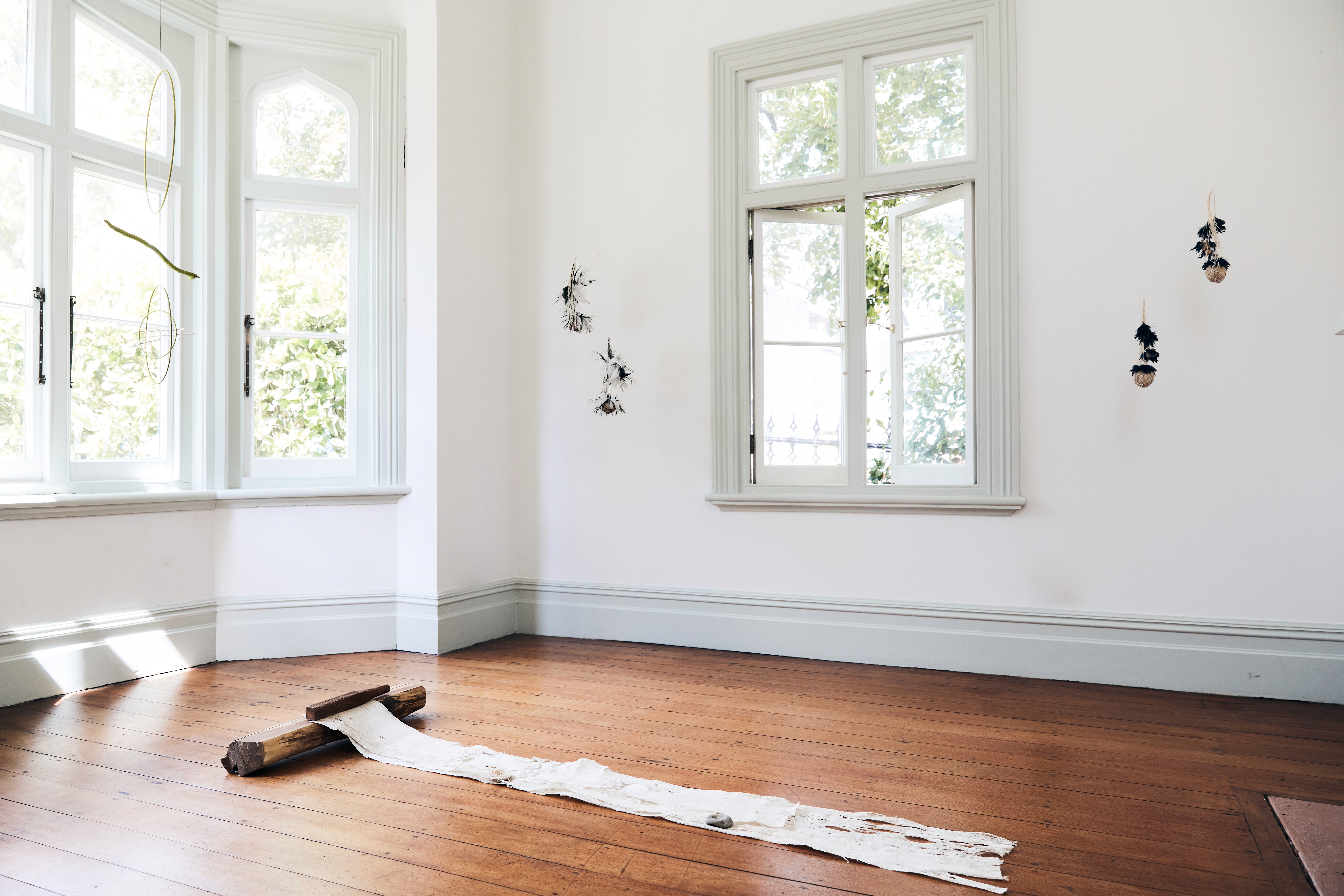
Set across the laneways, storefronts, and shared spaces of Commercial Bay, Whānau Mārama brought together Māori artists and researchers under the whetū of Matariki — forming a living map of Indigenous knowledge, memory, and future-making.
This place is not neutral. It holds the memory of many waka arriving to these shores, and the presence of ahi kā who continue to hold it. Today, their descendants move through this precinct in different ways — as workers, as builders, as cleaners, as retail staff — sustaining the city through often unseen labour.
My work responded directly to this reality.
Set across the laneways, storefronts, and shared spaces of Commercial Bay, Whānau Mārama brought together Māori artists and researchers under the whetū of Matariki — forming a living map of Indigenous knowledge, memory, and future-making.
This place is not neutral. It holds the memory of many waka arriving to these shores, and the presence of ahi kā who continue to hold it. Today, their descendants move through this precinct in different ways — as workers, as builders, as cleaners, as retail staff — sustaining the city through often unseen labour.
My work responded directly to this reality.
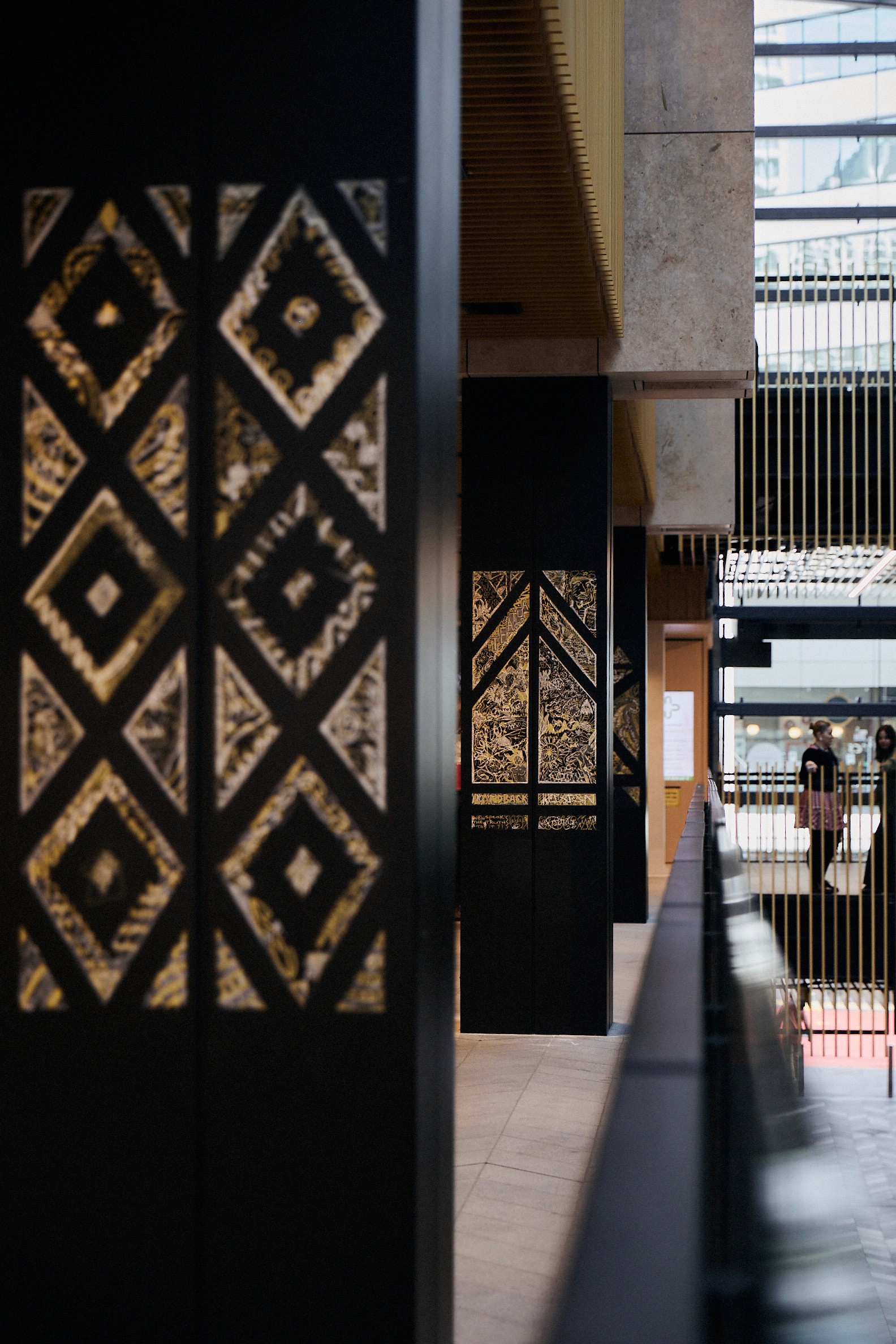
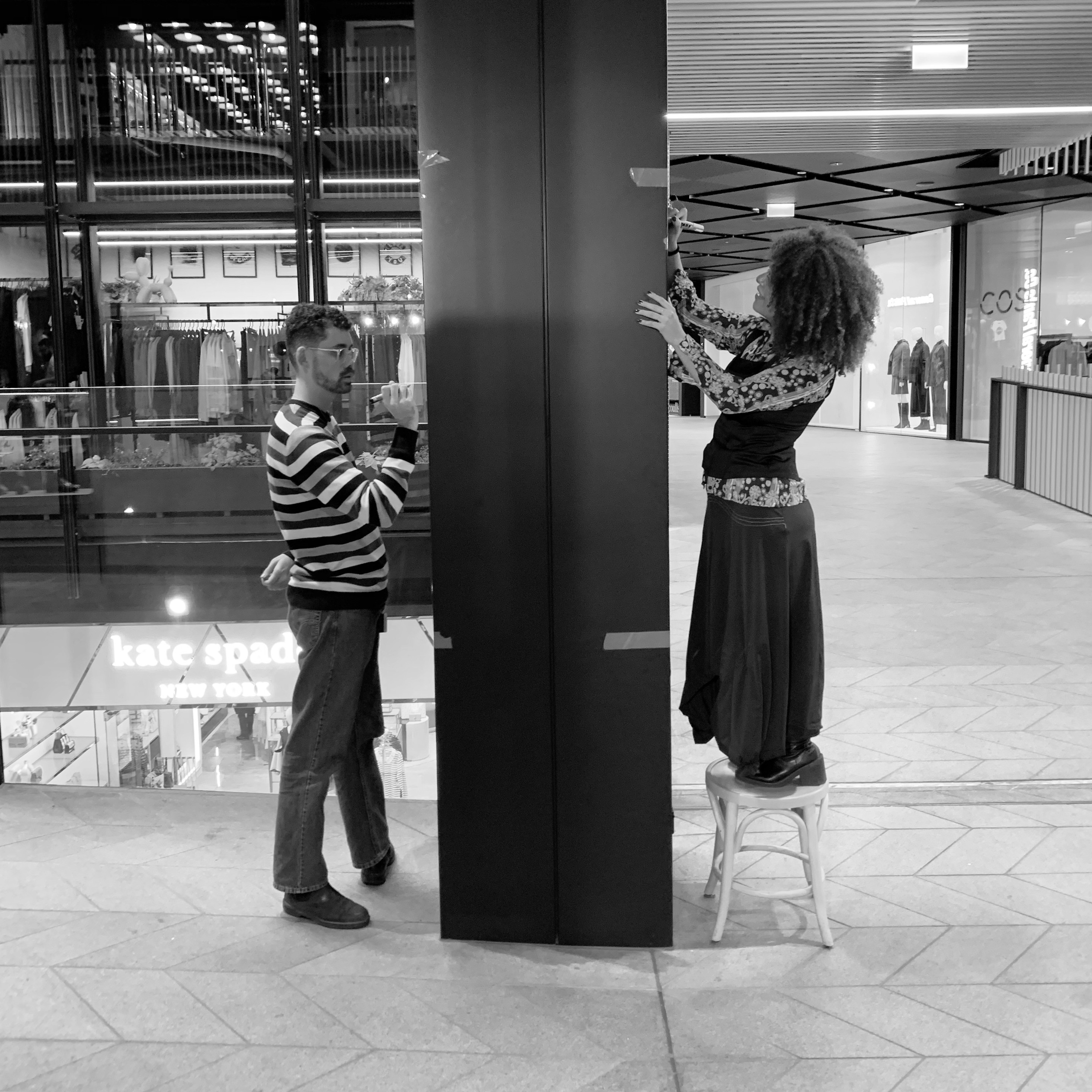
Within the wider kaupapa led by curator Jade Townsend, I developed a site-responsive activation that moved through the precinct — embedding cultural narrative into the everyday rhythms and hums of the city. Working across spatial intervention, storytelling, and public engagement, the activation repositioned commercial environments as sites of whakapapa, exchange, and collective reflection.
Rather than placing art above or outside the space, the work sat within it — dispersed across shopfronts, digital screens, and transitional zones. It met people where they already were.
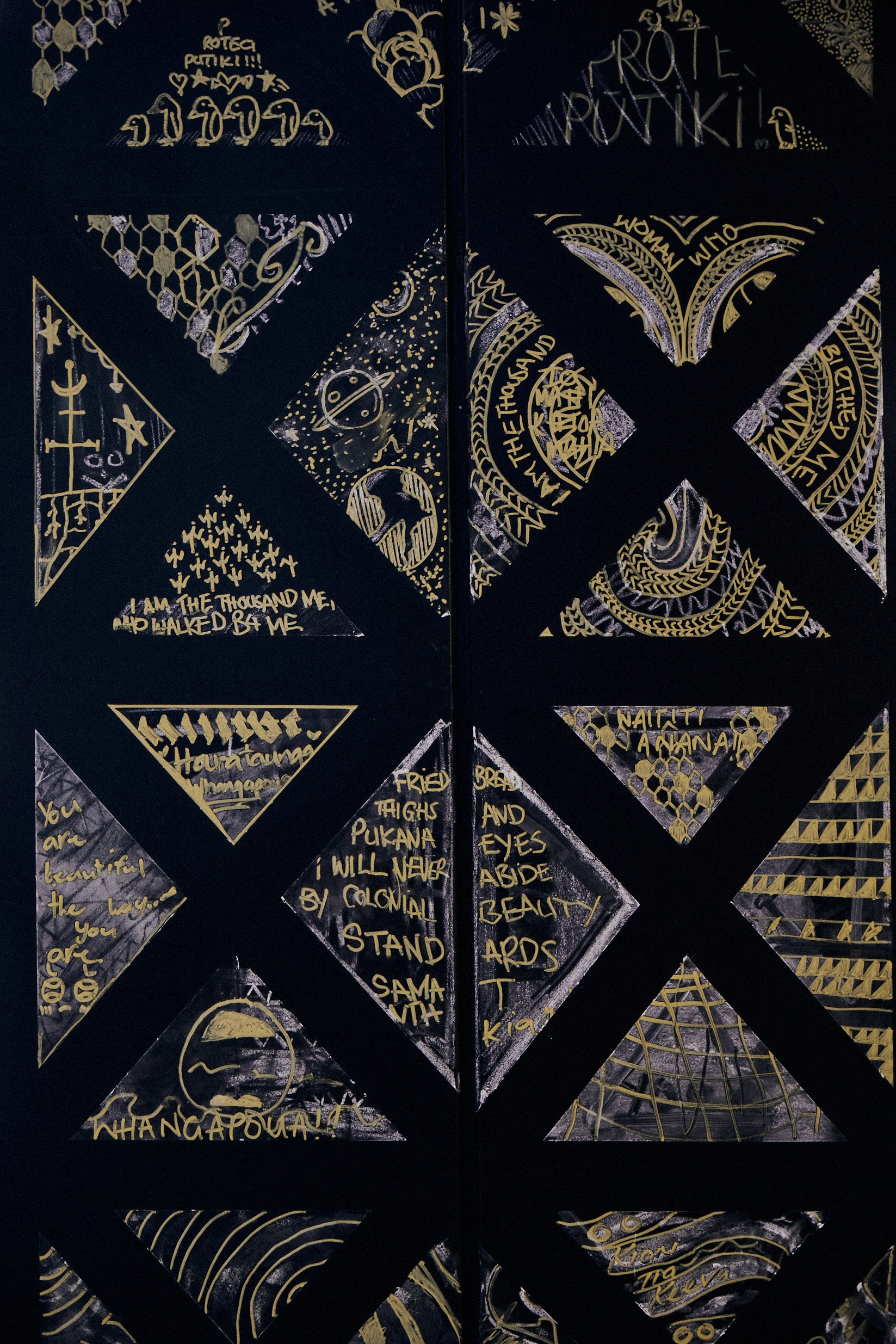
Tagging and graffiti were used as an accessible, outsider art practice — not as decoration, but as assertion. These markings operated as contemporary pou: signals of presence, of authorship, of occupation. They acknowledged those who are often overlooked, while creating a visual language that was immediate, familiar, and grounded in the street.
The work asked:
who gets to leave a mark here
whose presence is visible
what histories are carried forward in the spaces we pass through every day
Within the wider kaupapa led by curator Jade Townsend, I developed a site-responsive activation that moved through the precinct — embedding cultural narrative into the everyday rhythms and hums of the city. Working across spatial intervention, storytelling, and public engagement, the activation repositioned commercial environments as sites of whakapapa, exchange, and collective reflection.
Rather than placing art above or outside the space, the work sat within it — dispersed across shopfronts, digital screens, and transitional zones. It met people where they already were.
Tagging and graffiti were used as an accessible, outsider art practice — not as decoration, but as assertion. These markings operated as contemporary pou: signals of presence, of authorship, of occupation. They acknowledged those who are often overlooked, while creating a visual language that was immediate, familiar, and grounded in the street.
The work asked:
who gets to leave a mark here
whose presence is visible
what histories are carried forward in the spaces we pass through every day
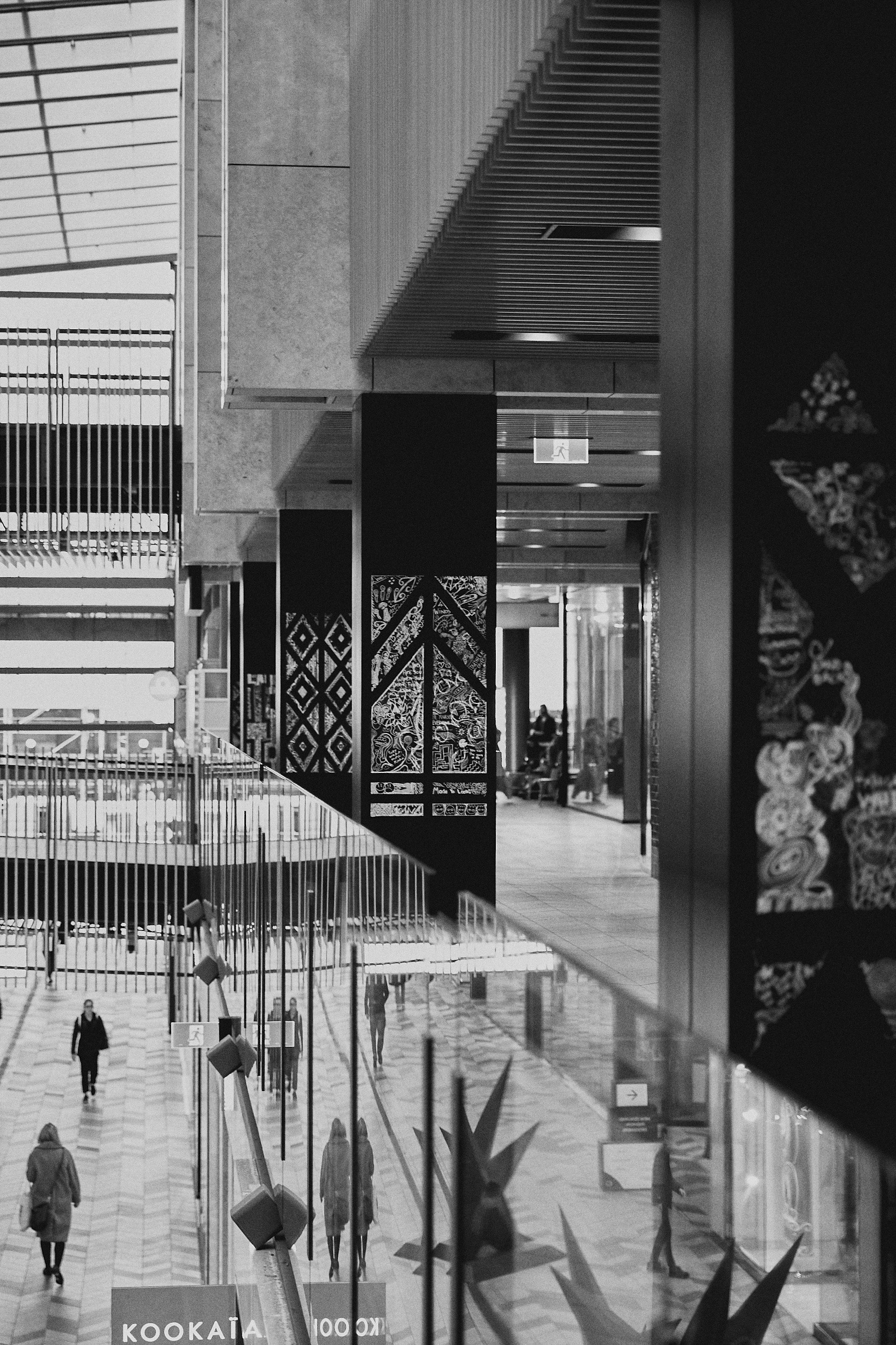
Grounded in te ao Māori and shaped through Matariki, the activation invited people to encounter pūrākau in unexpected places, engage with taonga outside institutional settings, and consider their relationship to whenua, moana, and the built environment.
It unfolded as a series of gestures — quiet, cumulative, and embedded.
It operated within the everyday.
And then shifted it.
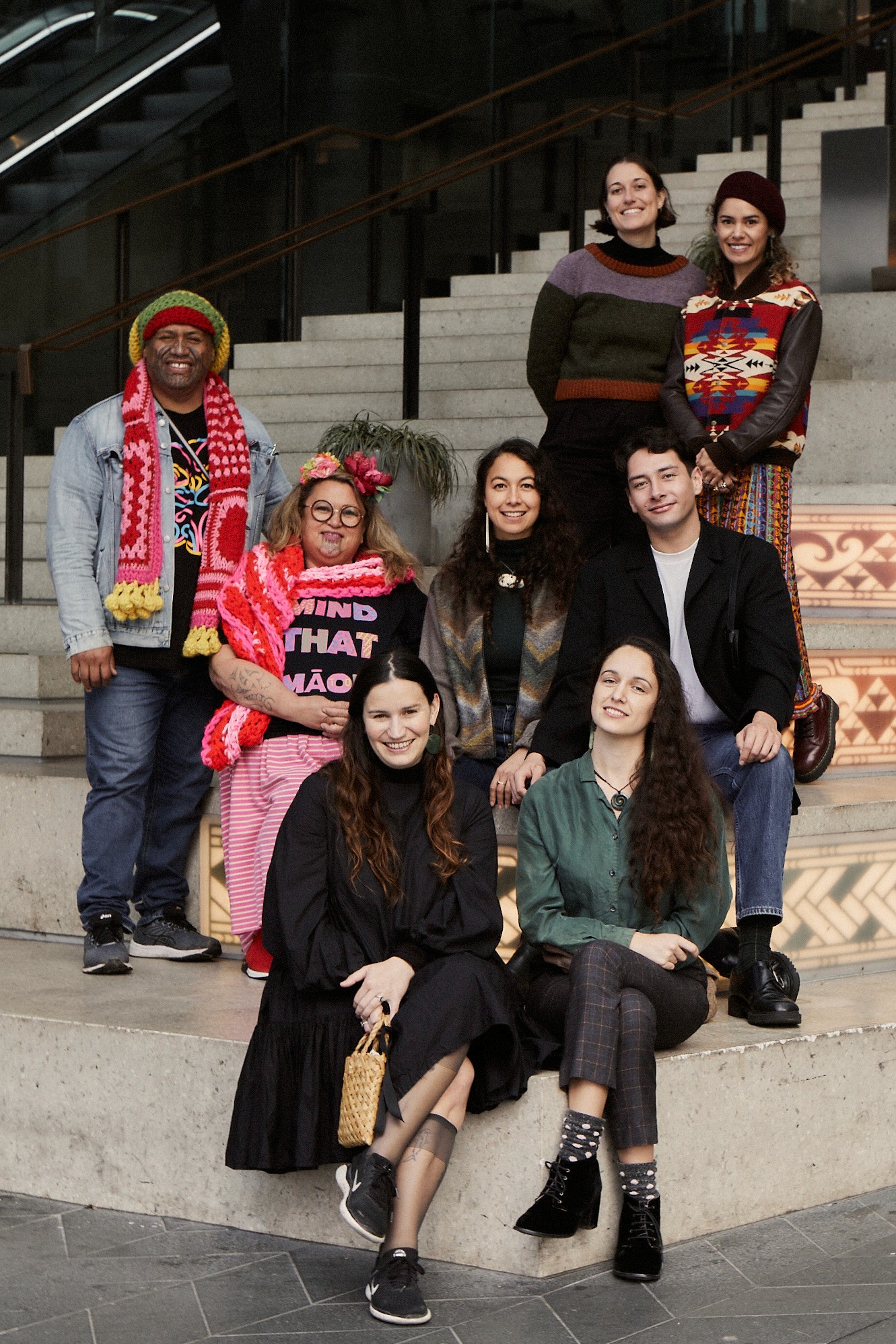
Grounded in te ao Māori and shaped through Matariki, the activation invited people to encounter pūrākau in unexpected places, engage with taonga outside institutional settings, and consider their relationship to whenua, moana, and the built environment.
It unfolded as a series of gestures — quiet, cumulative, and embedded.
It operated within the everyday.
And then shifted it.
Next Projects